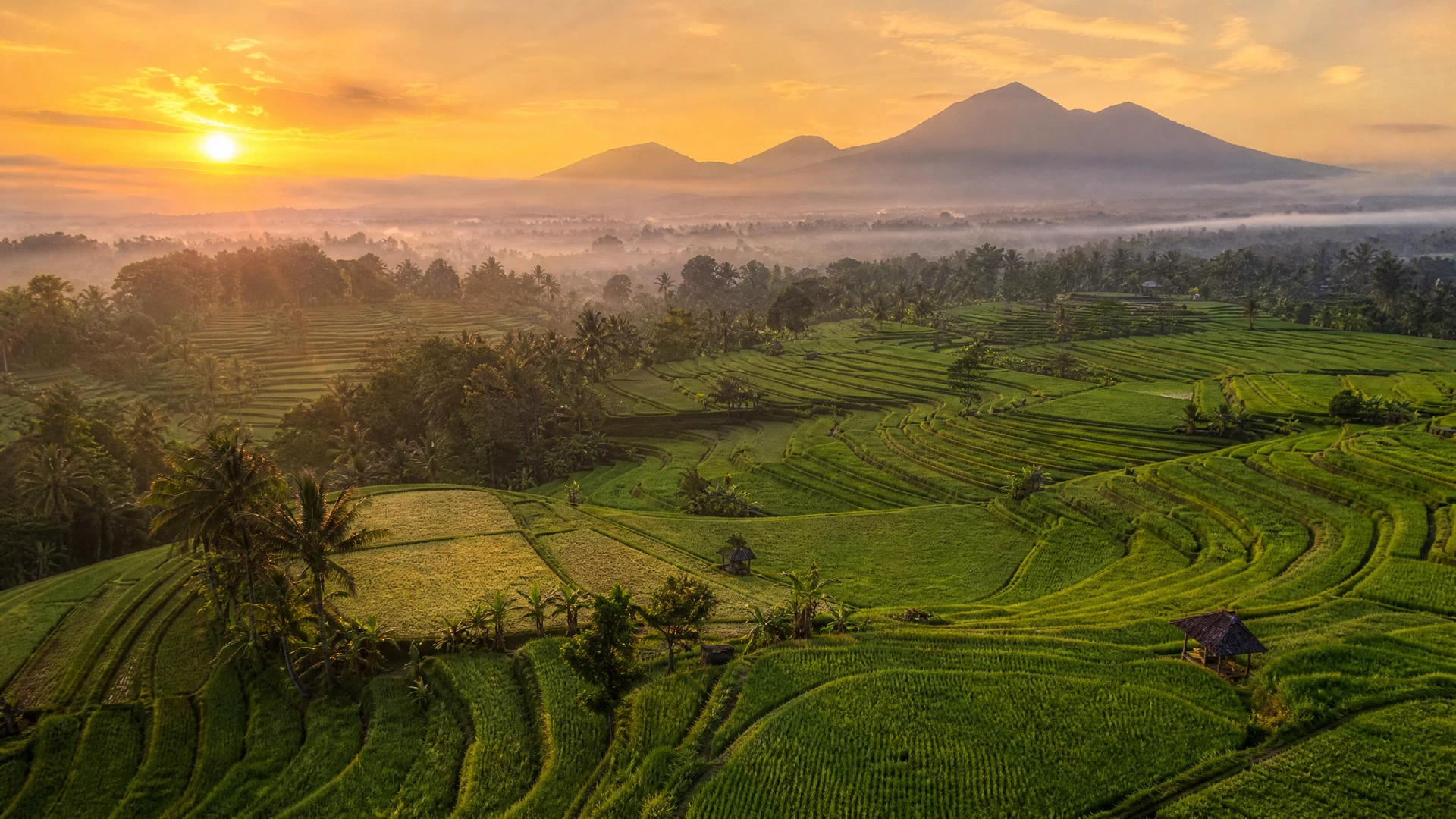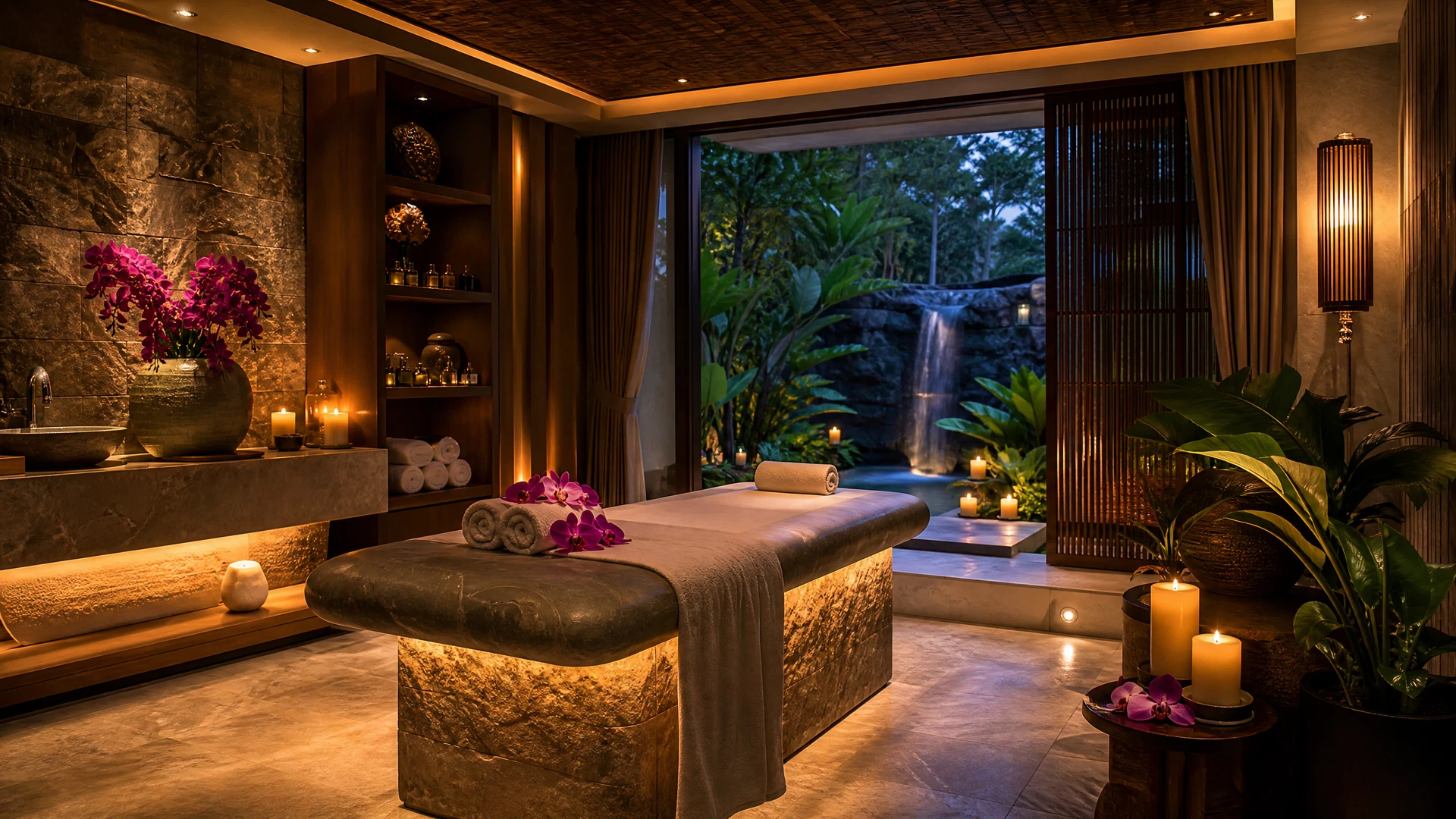
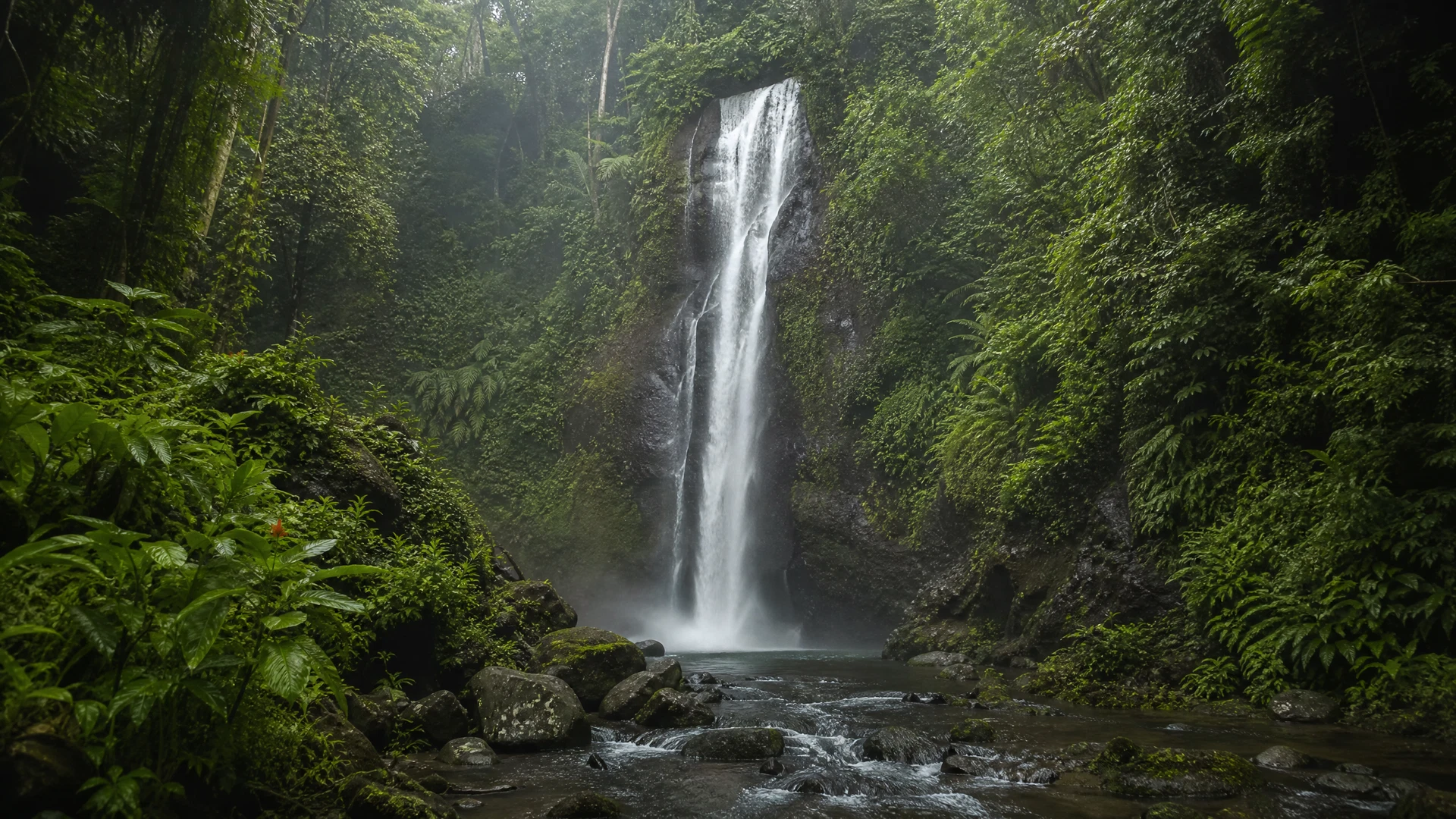
Choosing between North Bali and South Bali is the most underrated decision in planning a retreat — and most visitors never realise there is a choice at all. The south has the airport, the marketing and the crowds. The north has the silence. This honest comparison will help you decide which side of the island your retreat belongs on.
South Bali: Energy, Access and Crowds
The south — Seminyak, Canggu, Uluwatu and inland Ubud — is where ninety per cent of visitors stay. The advantages are real: fifteen minutes to two hours from the airport, hundreds of studios and cafés, world-class surf and an endless social scene. If your ideal retreat includes meeting people at beach clubs after class, the south will make you happy.
The trade-offs are equally real. Traffic in Canggu now rivals any capital city. Ubud's centre receives thousands of day-trippers daily. Prices have climbed steeply, and the "jungle sanctuary" in the brochure often sits thirty metres from a busy road. You can practise excellent yoga in the south — but genuine quiet requires effort to find.
North Bali: The Island as It Used to Be
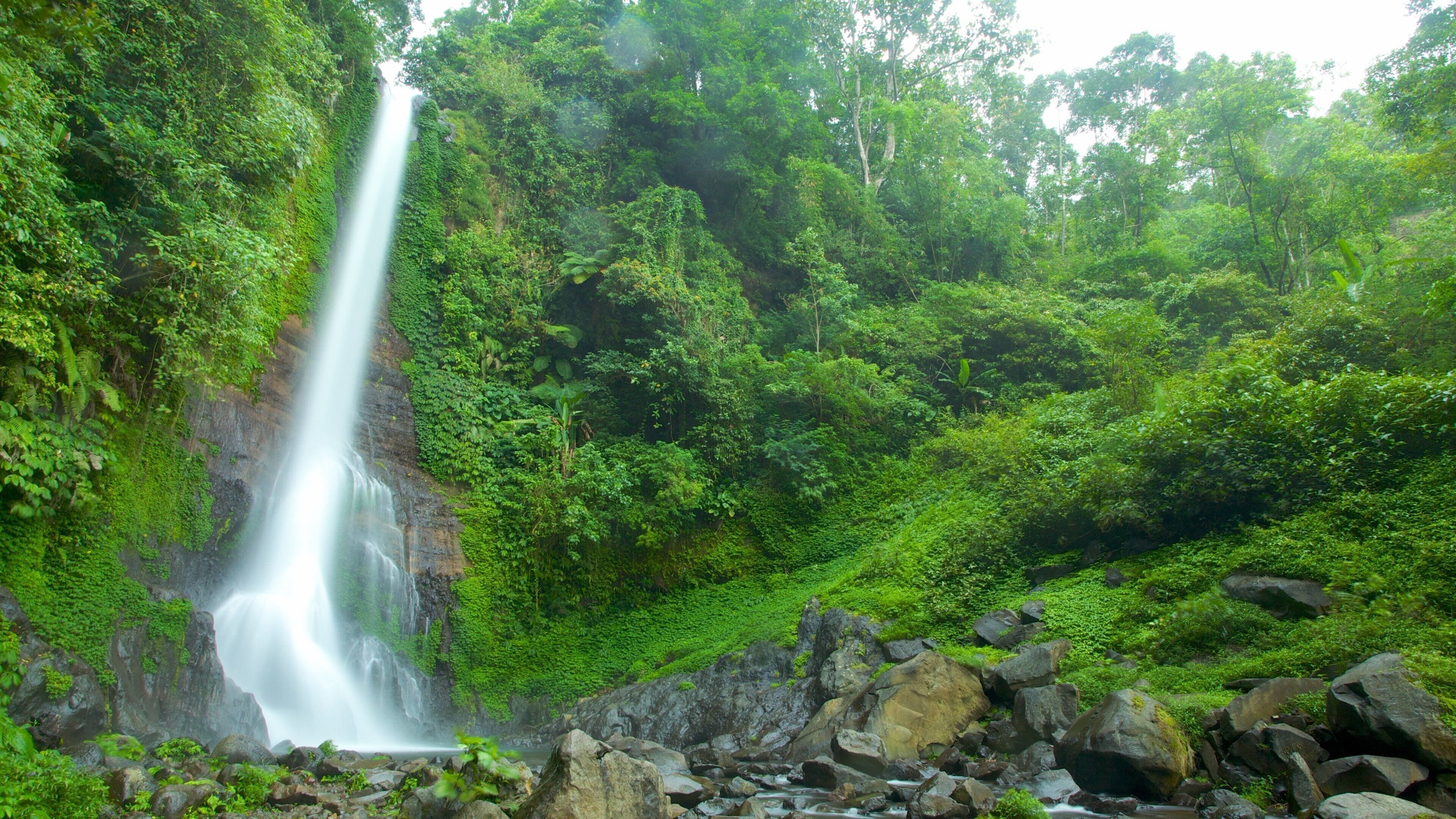
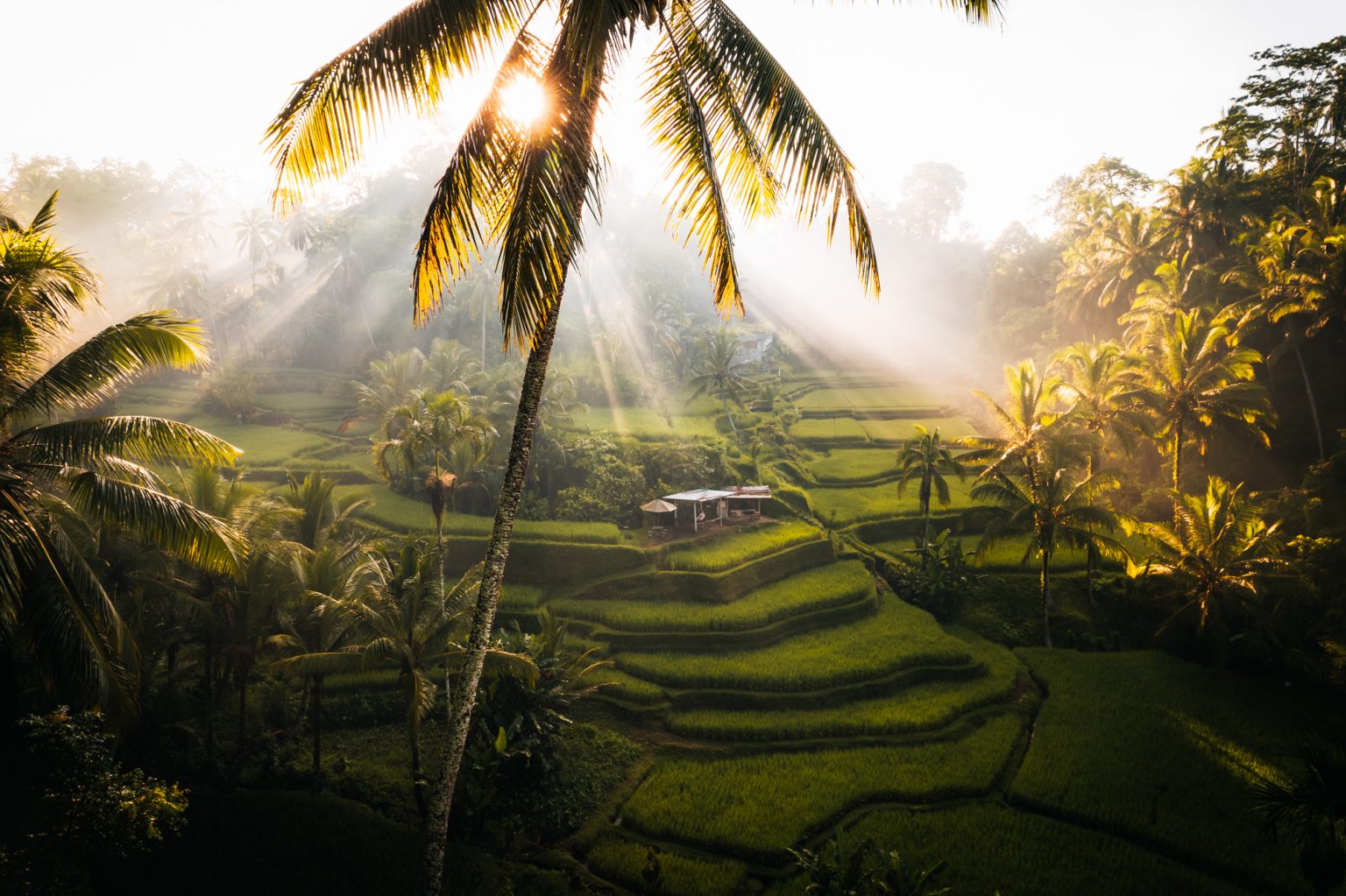
Cross the volcanic ridge past the twin lakes of Buyan and Tamblingan and the island changes. The Munduk highlands and the Lovina coast hold rice terraces without selfie queues, waterfalls you reach through clove plantations, and the sacred hot springs at Banjar — warm volcanic water flowing through carved dragon spouts since long before wellness was an industry.
North Bali retreats trade convenience for depth. There is no nightlife to speak of. Restaurants are village warungs, not brunch spots. What you receive in exchange is the very thing many retreat guests are actually seeking: an environment with nothing to resist. No traffic noise under your meditation. No party boats off the beach. Dark skies, birdsong mornings and genuine Balinese village life continuing around you.
Comparing What Matters for a Retreat
For nervous system recovery, environment is not a backdrop — it is an active ingredient. Research on stress consistently shows that noise, crowding and visual clutter keep cortisol elevated even when we believe we have tuned them out. A retreat in the quiet north starts every guest two steps ahead simply because there is less for the body to brace against.
Cost tells a similar story. Land and labour in the north cost less, which means a retreat budget stretches further: more staff per guest, better food, private villas rather than shared compounds — at prices that would buy a mid-range guesthouse in Canggu.
The Honest Recommendation
Choose the south if your retreat is one part of a lively Bali holiday — surf mornings, social dinners, day trips and a class or two daily. Choose the north if the retreat is the holiday: if you are tired in a way that a busy destination cannot fix, and you want a week where the loudest sound is rain on the jungle canopy.
What the North Asks of You
Fairness requires the fine print. The north asks for a three-hour transfer from the airport (included on good retreats, and a beautiful drive through the twin-lakes highlands). It asks you to trade café choice for a chef who cooks everything you eat. And it asks you to be somewhere with little to do after nine at night — which, for the guest who has not slept properly in a year, is not a cost at all. Guests who need constant stimulus should think twice. Guests who need its absence rarely want to leave.
The Drive North Is Part of the Medicine
Guests expect the transfer to be a cost; it usually becomes the first therapy. The road north climbs out of the traffic of the south, through clove and coffee plantations, past the twin crater lakes at Bedugul where the air turns suddenly cool, then descends through jungle switchbacks towards the northern sea. Somewhere on that road — most people can name the exact bend — the phone loses its grip and the shoulders drop an inch. Arriving in North Bali after three hours of visible transition does something a twenty-minute hop cannot: it convinces the nervous system that you have genuinely left. The distance that looks like the north's weakness on a map is, in practice, the first stage of the reset.
Why YogaFX Chose the North
After a decade of teaching across the island, YogaFX built its 6-day retreat in a private North Bali sanctuary deliberately: hot springs and waterfalls within reach, silence as standard, and Bali's living culture — not its tourist economy — surrounding the practice. Read more about the sanctuary and our story, or see how the week unfolds day by day.