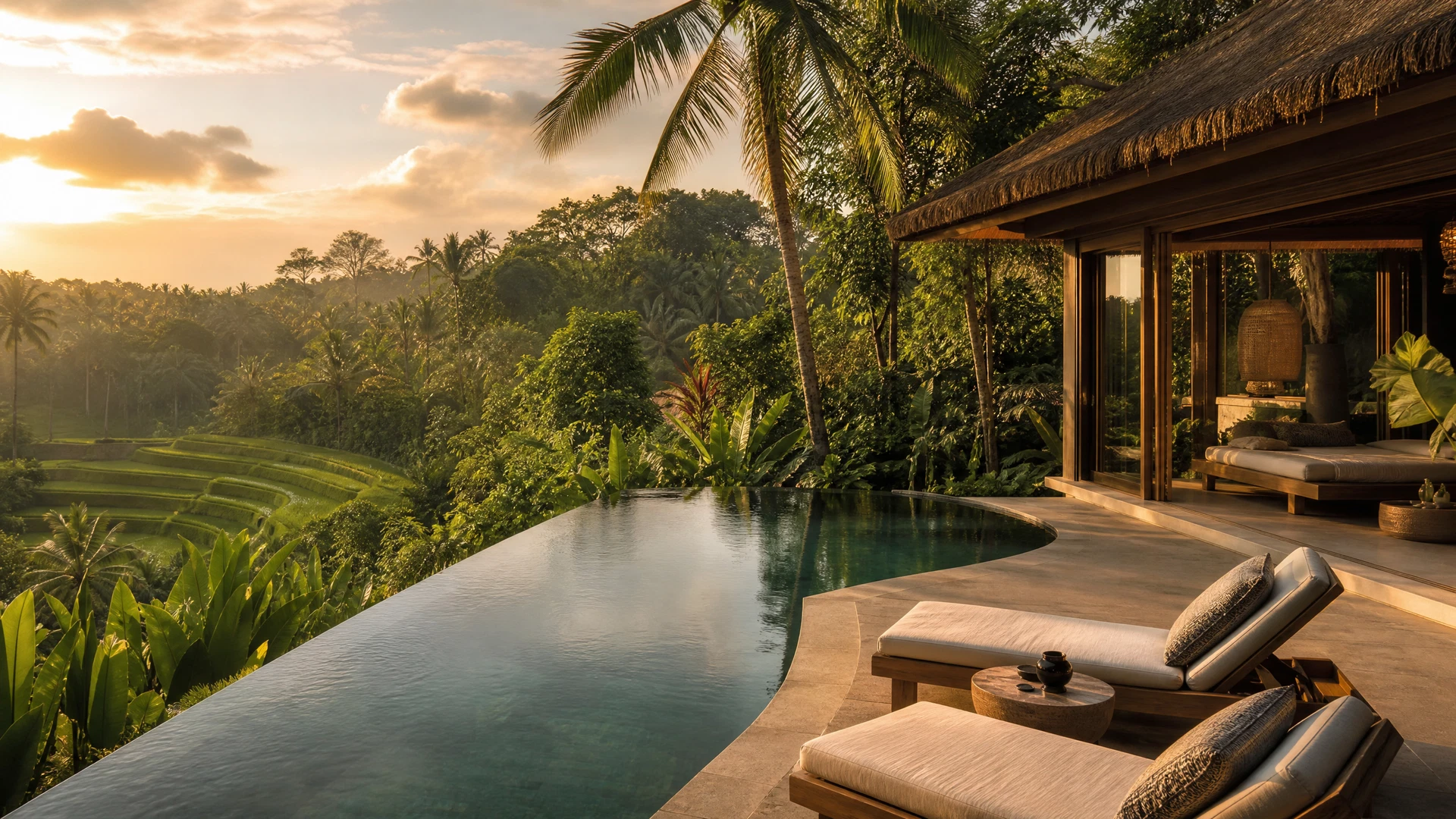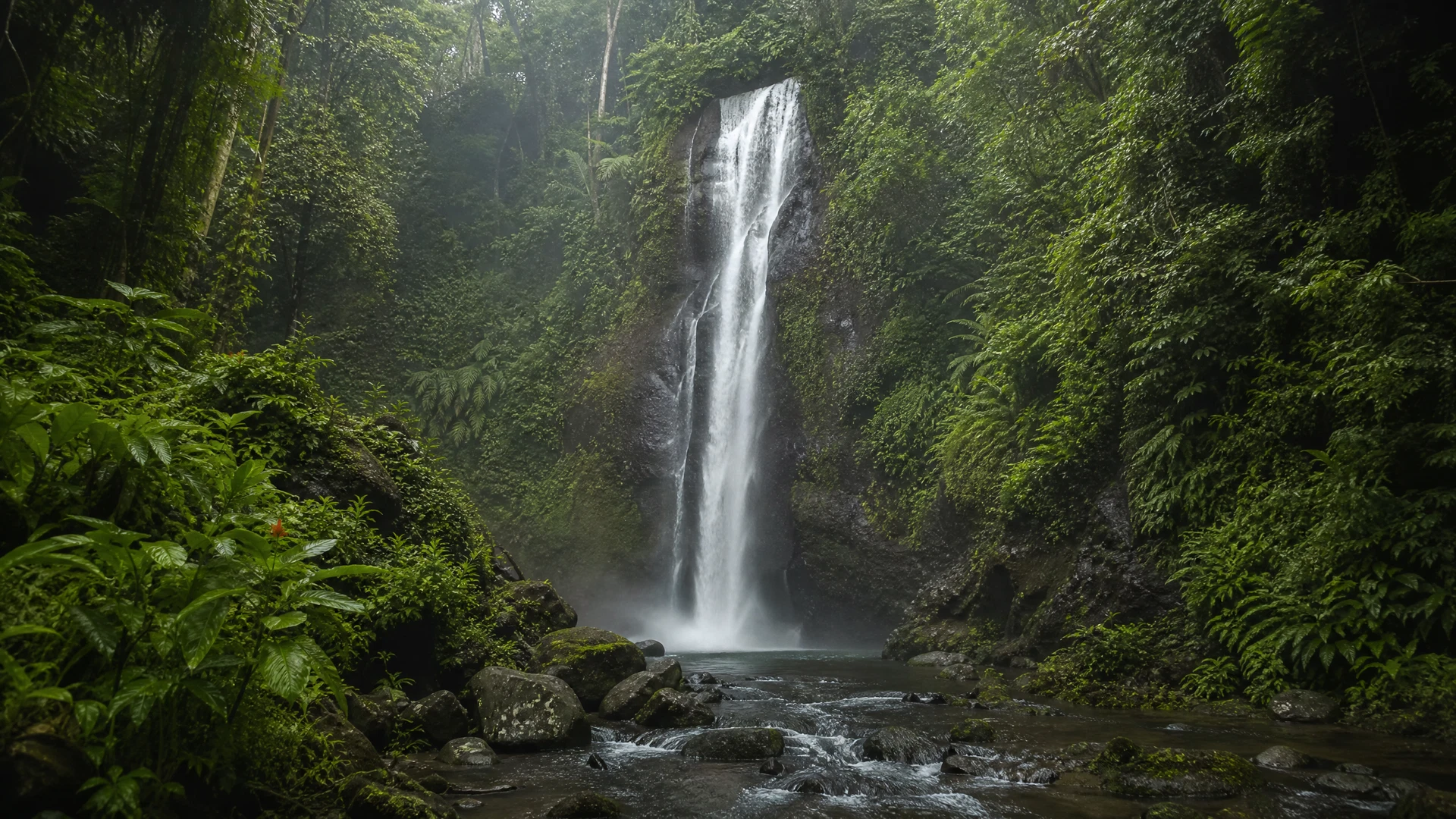
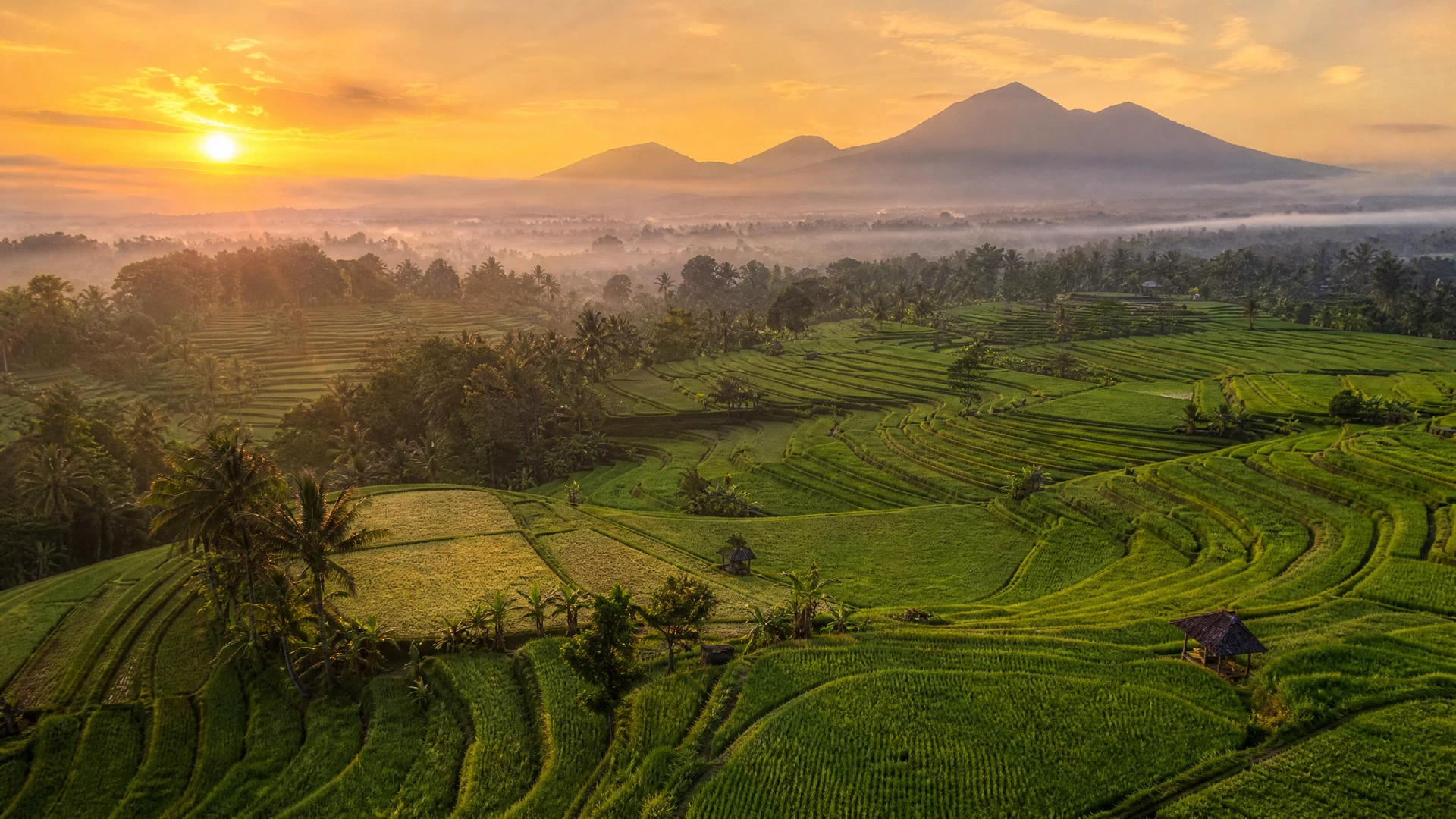
A yoga retreat in Bali is one of the most rewarding trips you can take — if you plan it well. This guide explains, in plain English, everything a first-timer needs to know: when to go, what it really costs, where on the island to stay, and how to tell a genuinely good retreat from a pretty Instagram page. It is written by the team at YogaFX, who have taught yoga in Bali for more than a decade.
Why Bali Became the World's Yoga Island
Bali is the only Hindu-majority island in Indonesia, and its spiritual culture is not a performance for visitors. Daily offerings sit on every doorstep. Temple ceremonies stop traffic. This living tradition, combined with warm weather, volcanic landscapes and excellent food, explains why yogis have gathered here for forty years.
The practical side matters too. Bali has direct flights from most of Asia and Australia, English is widely spoken, and the island's wellness infrastructure — studios, healers, organic farms, spa therapists — is among the deepest in the world. You can arrive on a Saturday and be in savasana by Sunday morning.
When to Go: Seasons for a Yoga Retreat in Bali
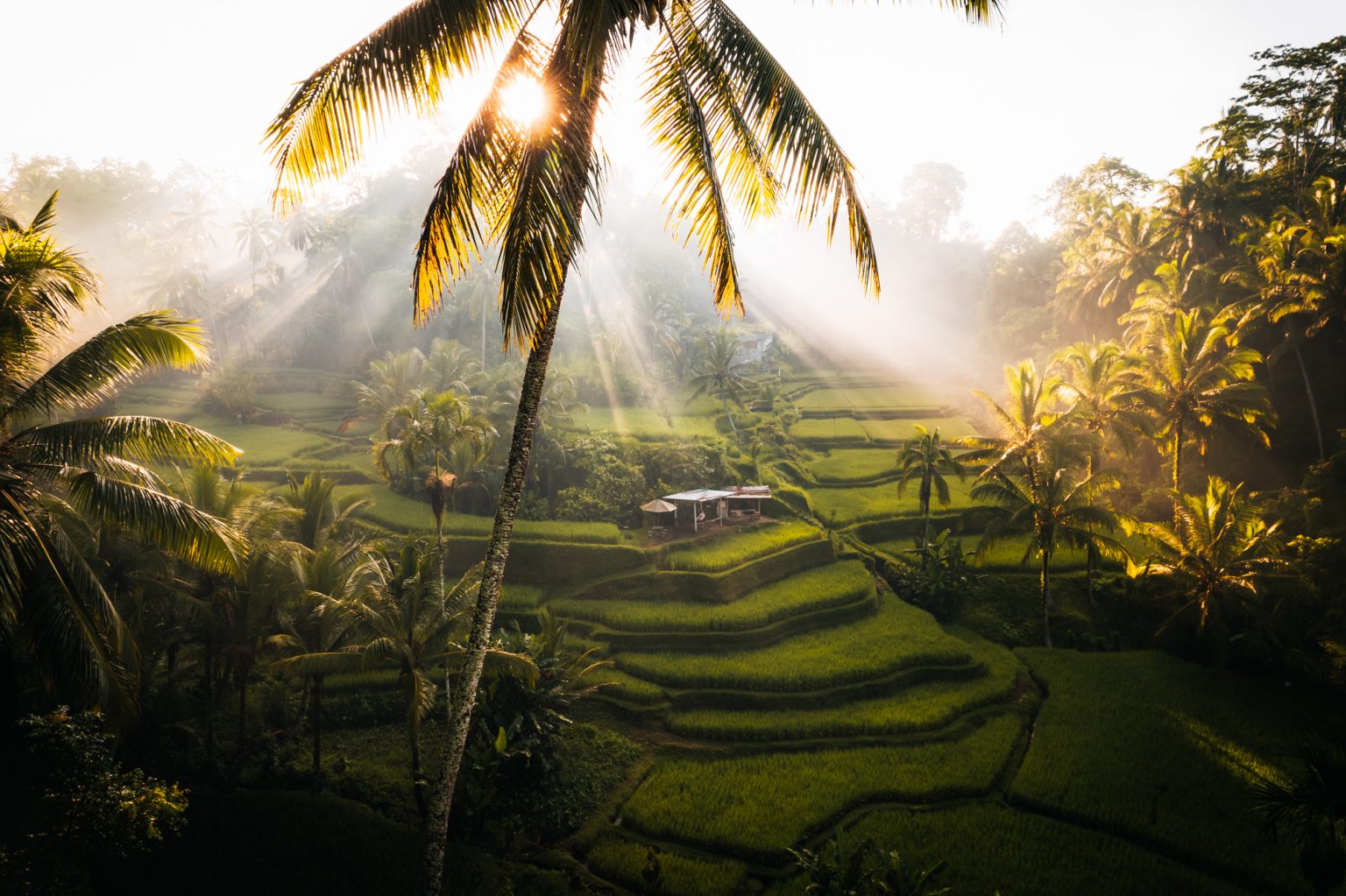
Bali has two seasons. The dry season runs from April to October and brings sunny days with low humidity — the most popular window for retreats. The wet season, November to March, brings short afternoon downpours, greener landscapes and fewer tourists.
Here is the honest advice most retreat websites will not give you: the wet season is underrated. Rain usually falls for an hour or two in the afternoon, exactly when a well-planned retreat schedules rest anyway. Prices are lower, waterfalls are fuller and the island feels calmer. January and February, in particular, are excellent months in the northern highlands.
Where to Stay: Choosing Your Corner of the Island
Location shapes your retreat more than any other decision. Ubud is the famous yoga hub — vibrant, social and increasingly busy. Canggu and Seminyak suit surf-and-yoga trips with nightlife attached. The east around Amed is quiet and good for diving. And North Bali, around the Munduk highlands and Lovina coast, remains the island's best-kept secret: rice terraces without crowds, waterfalls without queues and natural hot springs the south simply does not have.
As a rule of thumb: if your goal is social energy, go south. If your goal is genuine rest and recovery, go north. We wrote a full comparison in our North vs South Bali guide.
What a Yoga Retreat in Bali Really Costs
Budget retreats start around USD 500–800 for a shared room and two classes a day. Mid-range retreats run USD 1,200–2,000 with private rooms and some meals. Premium structured retreats — small groups, private villas, all meals, therapies and excursions included — sit between USD 2,500 and USD 4,000.
The number that matters is not the headline price but the total cost of the week. Add up what you will spend on meals, massages, excursions and transport if they are not included. Cheaper retreats often close that gap quickly. Our budget vs luxury comparison breaks this down line by line.
How to Spot a Genuinely Good Retreat
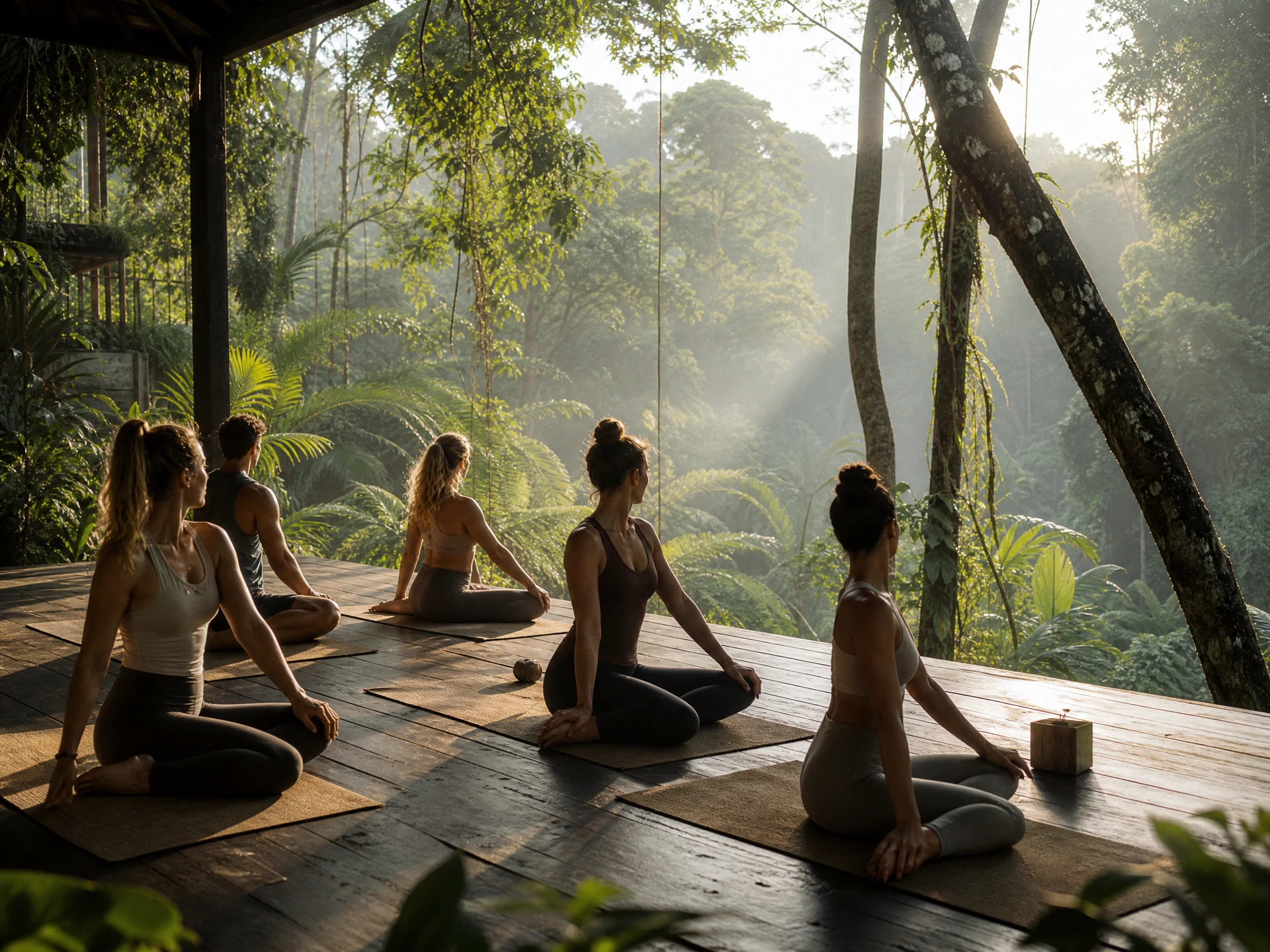
Four questions separate excellent retreats from average ones. First, who actually teaches — a named, credentialed teacher or a rotating cast? Second, how many guests share the space? Below twenty, teachers can adjust each body; above thirty, you are in a fitness class. Third, is there a structure, or just a timetable of unrelated activities? Fourth, can you find independent reviews of the organisers — not the villa — on third-party platforms?
Any retreat that answers all four clearly is worth shortlisting. Any retreat that dodges them is telling you something.
Practical Details First-Timers Ask About
Visas are straightforward: most nationalities receive a visa on arrival valid for thirty days. The airport is Ngurah Rai (DPS) in the far south; retreats in Ubud are about ninety minutes away, and North Bali around three hours — good retreats include the transfer. You do not need to bring a mat, and you do not need to be flexible, vegetarian or spiritual. You need clean light clothing, an open mind and the willingness to be a beginner for a week. Everything else, the island provides.
On health: drink only filtered water (retreats supply it), use reef-safe sunscreen, and give yourself the first day to simply arrive. Jet lag and Bali make peace quickly when you let the schedule carry you.
Your Next Step
A yoga retreat in Bali can be a pleasant holiday or the week that changes how you live — the difference lies in choosing deliberately. Decide what you need (rest, structure, community or challenge), pick the region that matches, and question every retreat like an investor. If a structured, small-group reset in the quiet north appeals to you, see how the YogaFX programme works or register your interest for the next retreat.