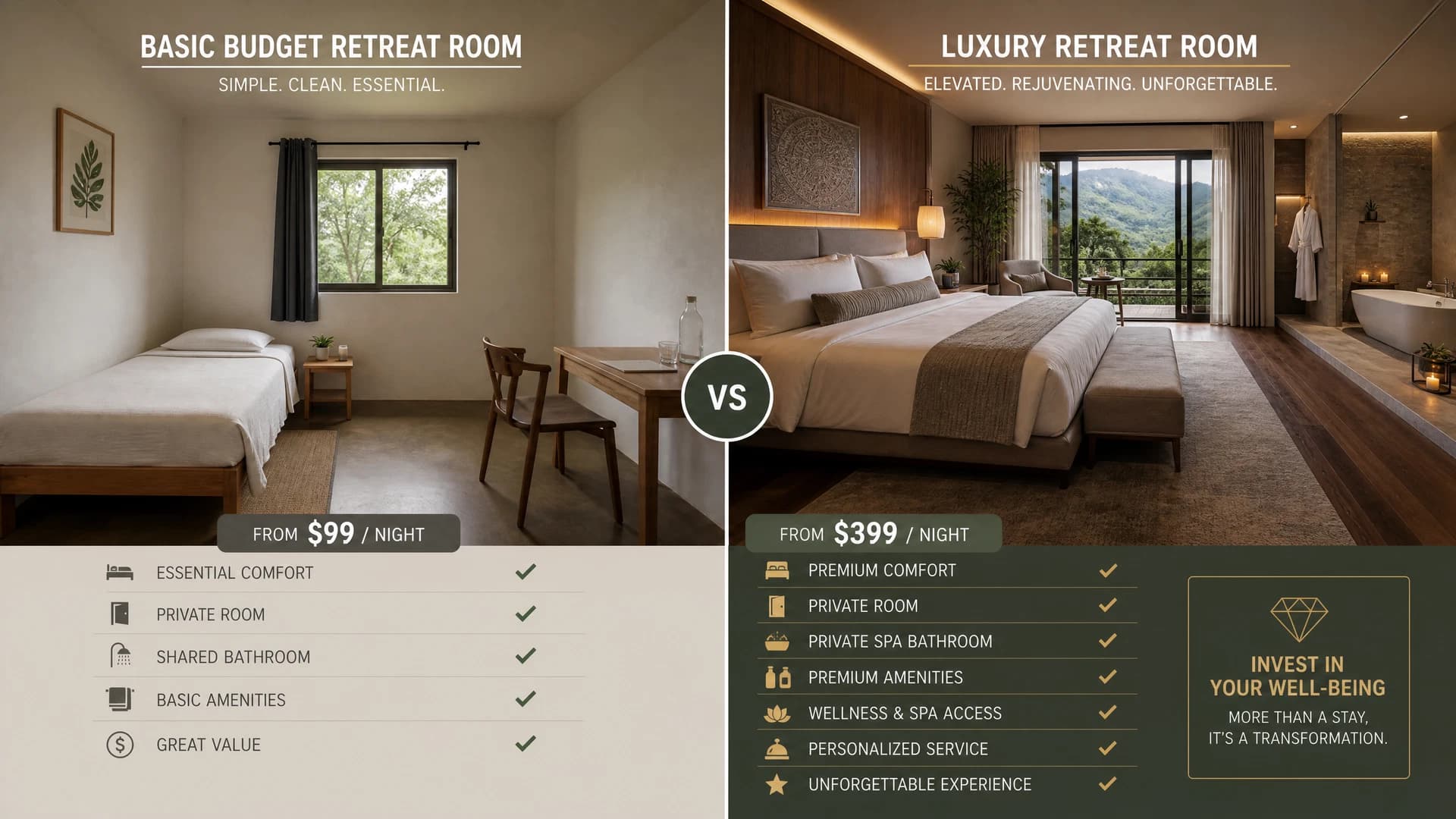

A luxury yoga retreat in Bali can cost several times more than a marketplace-style program.
It is fair to ask whether that difference actually buys a better experience or simply better marketing photography.
The answer depends less on the word luxury and more on what the provider has built behind it.
For some retreats, the premium supports a smaller group, experienced instruction, private accommodation, considered nutrition and a curriculum with a clear purpose.
For others, the price mostly reflects the villa, spa finishes and visual styling.
Both may be enjoyable, but they are not offering the same kind of value.
This guide explains what a premium price can reasonably reflect, where luxury positioning can become vague, and how to assess a specific program before paying a deposit.
It is not a ranking of properties.
It is a practical framework for deciding whether a luxury yoga retreat Bali experience is worth it for you.
What Luxury Actually Buys You When It Is Real
Guest cap and privacy
Guest count is often the most meaningful difference.
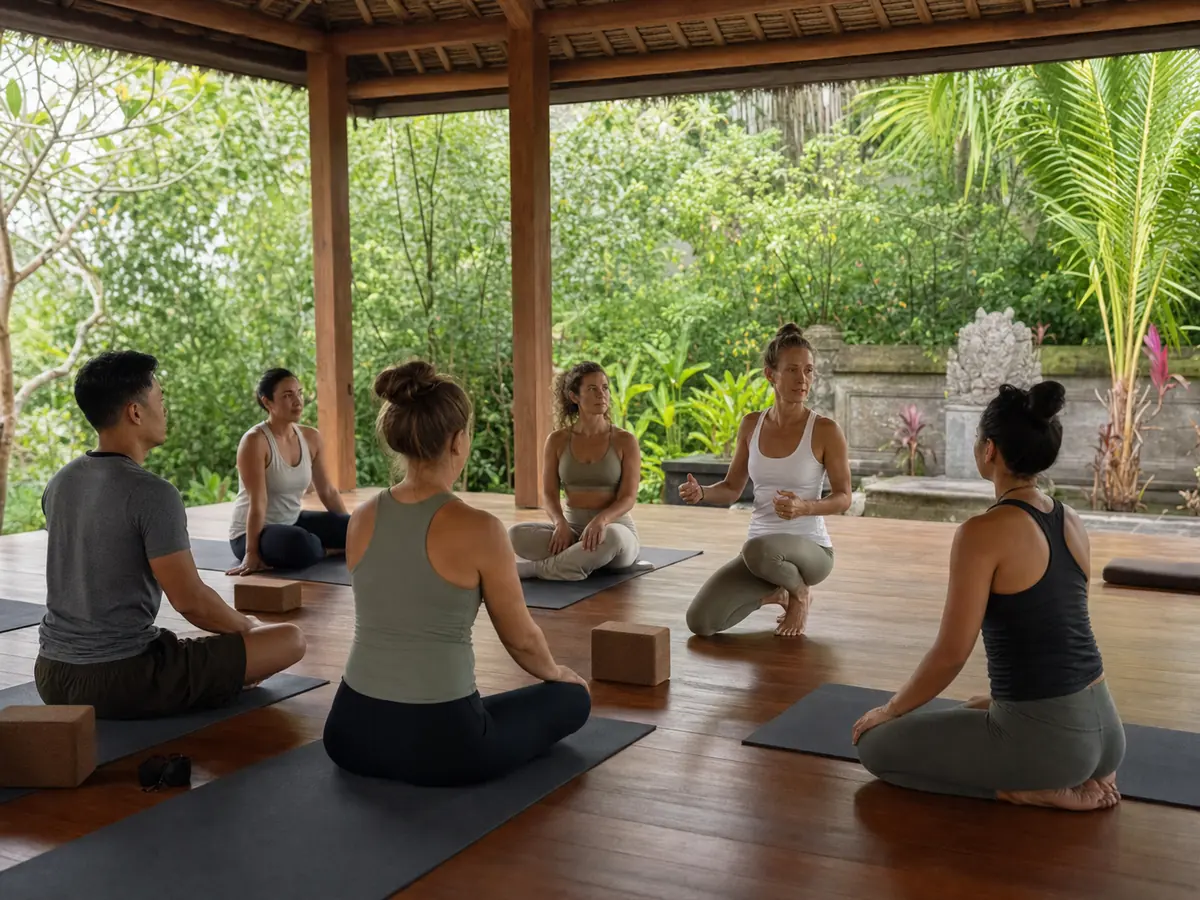
A retreat capped at 20 guests or fewer changes how shared spaces, classes and conversations feel.
There is less pressure to process a large group efficiently, and more room for instructors and hosts to notice individual needs.
A low cap does not guarantee personal attention by itself.
Ask whether the lead instructor is present throughout the program and how many assistants support the group.
Privacy also means more than a private room.
It includes enough space to rest, eat and use facilities without repeatedly competing for access.
Instructor-to-guest ratio and credentials
Luxury pricing should correlate with who leads the program.
Verified credentials, teaching experience and relevant specialist education matter more than linen thread count.
Check whether the person featured on the website actually teaches, how often they are present and who takes over when they are not.
A recognised yoga credential provides a useful baseline, but it does not explain the full method.
If a retreat discusses burnout, nervous system regulation or nutrition, look for training that is relevant to those subjects and language that stays within the provider's professional scope.
Structured curriculum versus loose activities
A genuinely premium retreat sequences its days around a clear outcome.
The timetable should show more than a list of attractive activities.
It should explain why demanding and restorative sessions happen in a particular order, how the pace changes across the stay and where guests have time to integrate what they experience.
An expensive but unstructured retreat may still be a lovely holiday.
The important point is to know what you are buying.
If the promise is a reset rather than a vacation, the program should demonstrate more intention than optional yoga beside a luxury room.
Food quality and dietary structure
Food is one of the clearest indicators of where the budget goes.
Chef-designed menus with a stated nutritional intention require more planning than a generic healthy buffet.
Ask whether meals are prepared on site, whether dietary needs are discussed before arrival and whether snacks, drinks and all daily meals are included.
Terms such as detox and anti-inflammatory are often used loosely.
A responsible provider should describe the actual menu and its practical purpose without claiming that food cures illness.
Quality here means fresh preparation, adequate nourishment, transparency and a plan that supports the daily schedule.

Where the Premium Is Sometimes Just Marketing
Not every luxury retreat justifies its price.
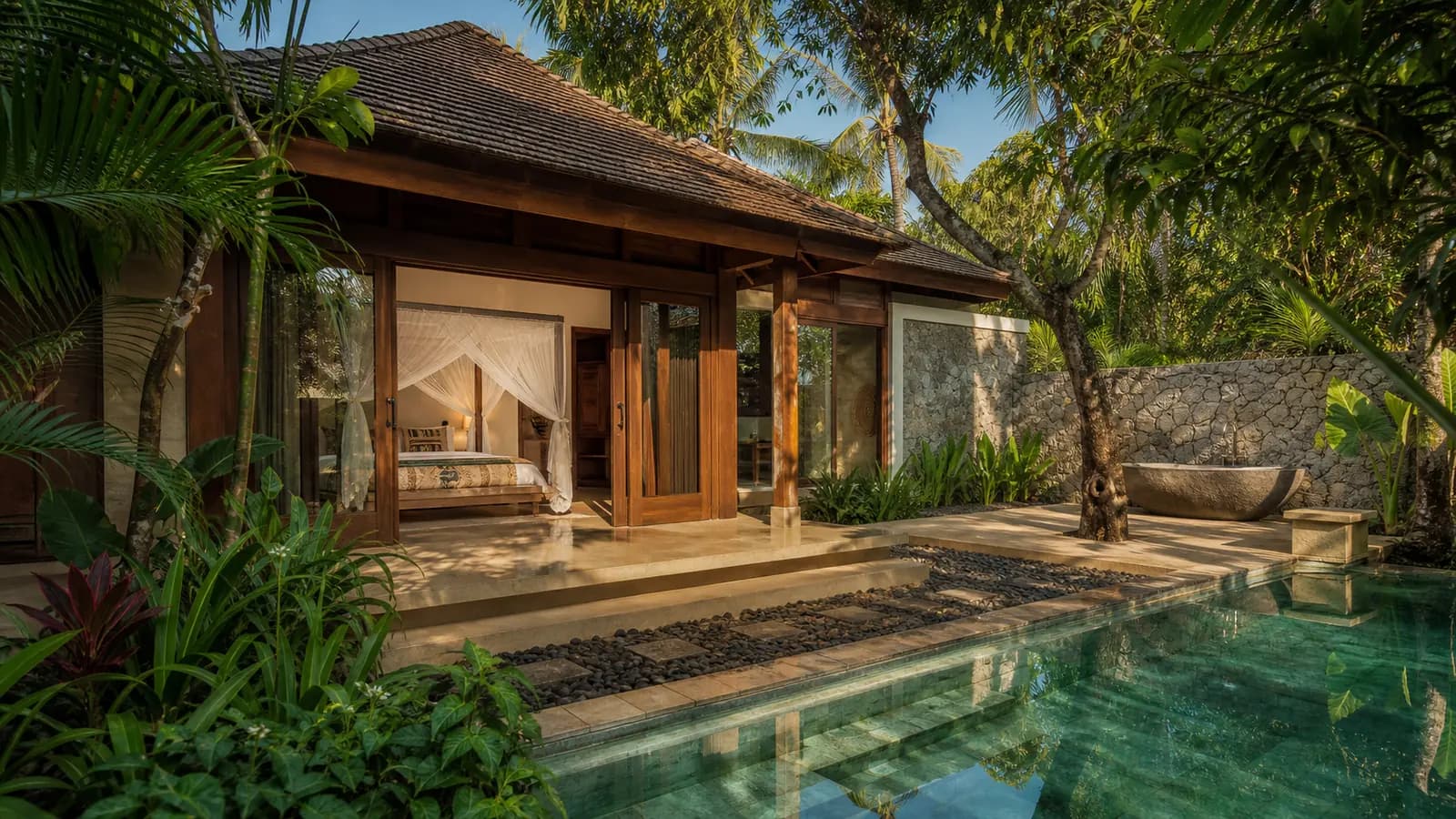
Beautiful photography can show a real place while revealing very little about the program.
Look beyond the pool and bedroom to see whether the website names the teacher, publishes a usable schedule and explains how the experience is delivered.
- Beautiful photography paired with a vague daily schedule when you ask for specifics
- Pricing driven almost entirely by accommodation while workshops and instruction feel secondary
- Testimonials focused only on the setting and food, with little mention of instruction or program quality
- A well-known founder used in marketing who appears briefly and delegates most of the retreat
- Core experiences advertised prominently but charged as add-ons after arrival
None of these signs proves that a retreat is poor.
Together, however, they suggest that the premium may be paying for hospitality rather than a carefully designed yoga program.
That can still be the right choice if comfort is your priority.
The problem begins when a resort-style holiday is presented as a highly supported transformation without the staff or structure to match.
How to Evaluate a Specific Program
Ask for the actual daily schedule before booking.
A retreat with a structured curriculum should be able to explain what each day looks like and why the sessions are sequenced that way.
You can compare this level of detail with our own full 6-day itinerary.
Check who leads the program directly.
Founder credentials, years of experience and specialist training can tell you more than a property's star rating.
Mr. Ian, founder of YogaFX, is an example of the kind of background worth verifying.
His formal training goes beyond a standard yoga teacher certification and informs how the retreat structure is designed.
Then examine the operational details.
Confirm the maximum number of guests, room type, airport transfer arrangements, meals, therapies, excursions and taxes.
Ask which activities are included and which are optional.
A premium retreat should make the total cost understandable before you arrive.
Read the cancellation and payment terms in full.
A clear deposit, balance date and cancellation policy do not make a retreat luxurious, but they show operational maturity.
Vague paperwork can create unnecessary stress around an experience that is meant to reduce it.
Match the Premium to Your Actual Priorities
The best-value retreat is not automatically the most expensive one.
Start by deciding what you most need.
If you want a beautiful place to rest with occasional yoga, accommodation and freedom may matter most.
If you want a guided reset, the instructor, group size and program sequence deserve more of your budget.
Also consider how much decision-making you want during the stay.
A complete program can reduce the daily work of arranging meals, transport and treatments.
A flexible marketplace retreat can offer more independence, but it may ask you to assemble the experience yourself.
Use the same criteria across every option.
Compare total price rather than headline price, count the sessions actually led by the named teacher and note the ratio of structured program time to optional leisure.
Our complete Yoga Retreat Bali guide provides a broader planning framework for location, timing and retreat style.
So, Is a Luxury Yoga Retreat in Bali Worth It?
A luxury yoga retreat in Bali can be worth the premium when the price funds substance as well as comfort.
A low guest cap, qualified leadership, coherent scheduling, thoughtful nutrition and transparent inclusions can materially change the quality of a retreat.
If the premium mostly buys a photogenic room, the experience may be more comfortable without being more purposeful.
That is not inherently bad, but it should be priced and described honestly.
The most useful question is not whether the retreat calls itself luxury.
It is whether the details you value are visible, verifiable and included.
YogaFX single occupancy is $3,799 USD, or $3,499 USD early bird.
Twin share is $2,799 USD per person, or $2,499 USD per person early bird.
For a direct comparison of private sanctuary and public resort formats, read Private Yoga Retreats Bali: Small Group or Resort Retreat?
This article is for general information only and is not a substitute for professional medical advice.