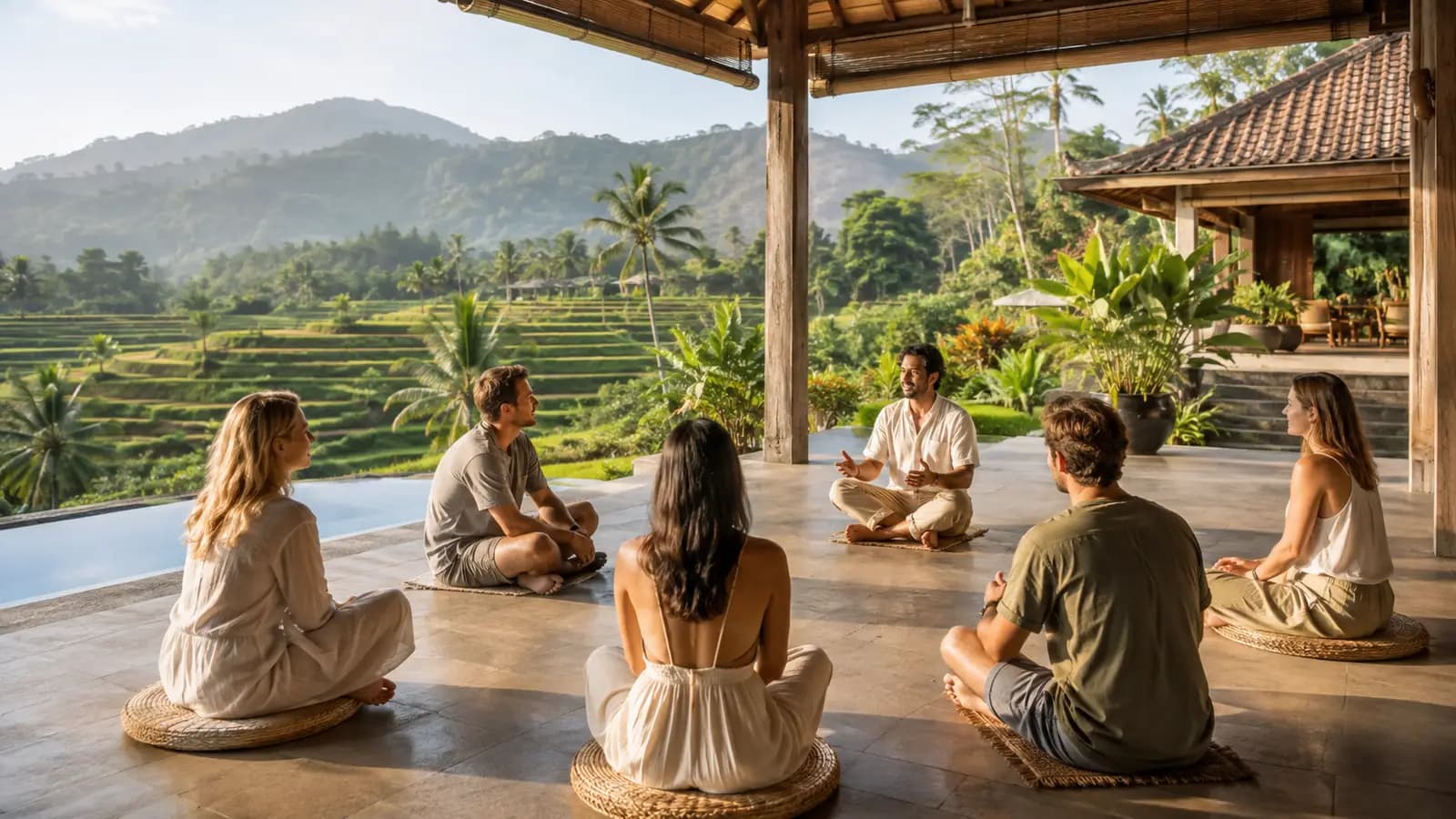


Your Bali retreat location affects transfer planning, time outside the venue and the kind of trip surrounding the programme. YogaFX Retreats is based at a private sanctuary in North Bali, not Ubud or Canggu. This comparison helps you decide whether that setting fits your wider travel plans.
Region names are only a starting point. A quiet property can exist near a busy destination, while a remote-sounding address may still sit beside an active road. Evaluate the specific venue and programme rather than choosing from a stereotype.
What Matters Most When Choosing a Retreat Location?
Begin by deciding whether the retreat is the main purpose of your visit or one element in a broader Bali holiday. A contained programme can benefit from distance from restaurants and nightlife, while an open schedule may feel restrictive if you expected to explore independently every day.
Consider how much free time exists, whether you want cafes, cultural sites, nightlife or beaches nearby, and whether meals and activities are provided on site. Then check the airport or hotel pickup point, extra-night needs and any accessibility concern involving roads, steps or slopes.
Map distance alone cannot answer transfer time because traffic and road conditions vary. Ask for current guidance tied to your arrival date rather than relying on a generic Bali estimate.
Considering a Yoga Retreat in Ubud
Travellers searching for yoga retreats in Bali Ubud often want access to the town's concentration of cultural activities, restaurants, studios, shops and visitor services. That can be convenient when yoga is part of an independent holiday or when a programme leaves substantial free time.
“Ubud” may refer to the central town or a property in a surrounding village. The practical experience changes with the exact address. Ask whether restaurants and attractions are genuinely walkable, whether transport is required and how road noise or nearby activity affects the venue.
Do not assume every Ubud retreat is busy or every property is secluded. A programme with meals, excursions and evening sessions may leave little reason to stay near central services.
YogaFX does not operate this retreat in Ubud. If you plan an Ubud stay, treat it as a separate part of the trip and coordinate the onward journey to North Bali.
Considering a Retreat in Canggu
Canggu can suit travellers who want to combine practice with coastal activities, restaurants, cafes and a more social independent itinerary. It may work when the retreat is deliberately flexible and guests expect to spend time outside the property.
The word Canggu covers different neighbourhoods and traffic patterns. Confirm the venue address, distance to places you intend to visit and whether walking routes are practical. A map pin that appears close to a beach or restaurant may still require transport.
A lively surrounding area is not automatically good or bad. It can provide choice and stimulation, or make a contained reset harder for someone seeking fewer daily decisions. YogaFX does not claim a Canggu venue.
Considering a Yoga Retreat in North Bali
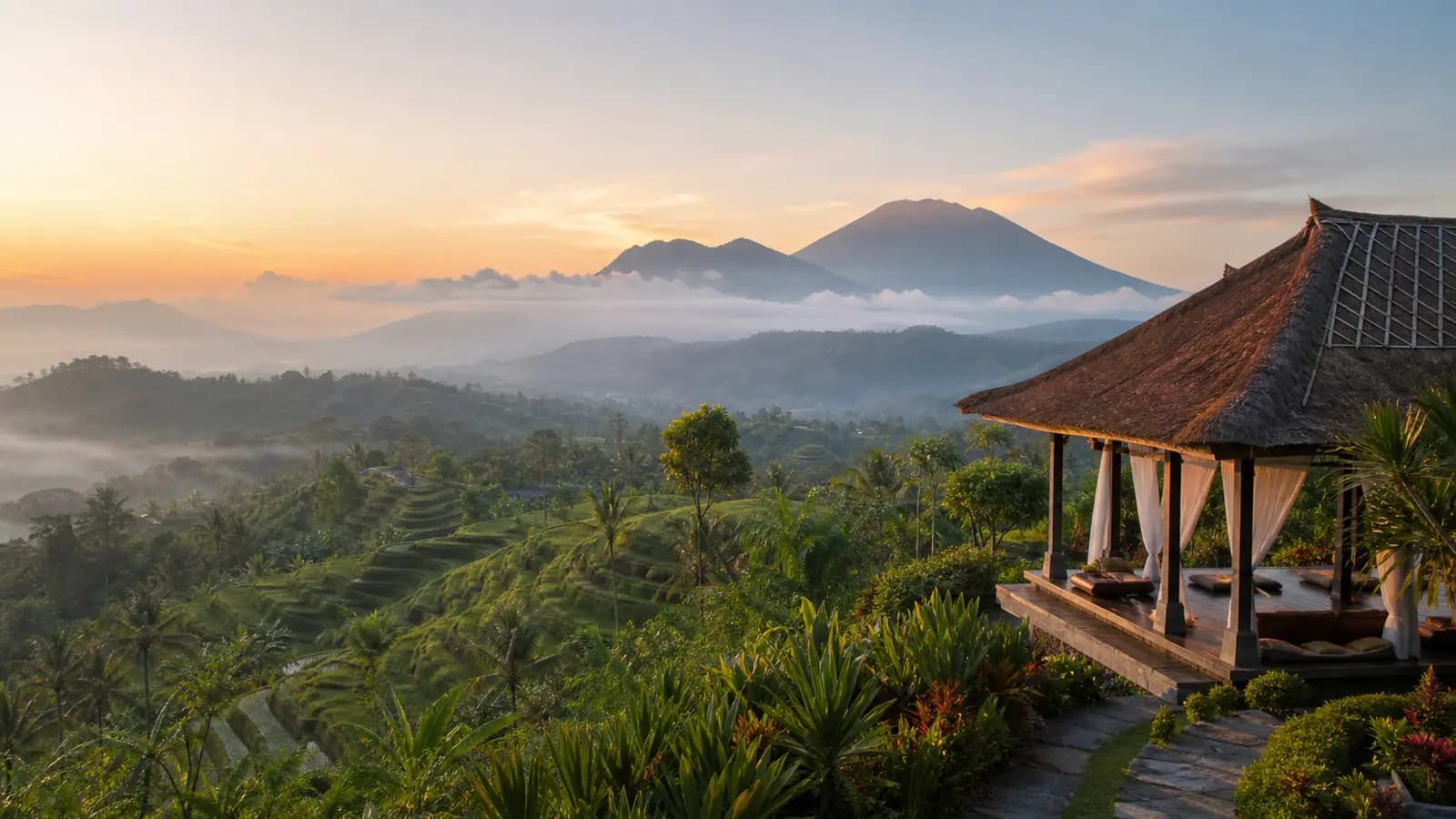
North Bali covers a broad area rather than one uniform landscape. Properties may sit near towns, villages, coastlines, agricultural land or higher ground. Do not assume every yoga retreat in North Bali is beachfront, mountainous or isolated.
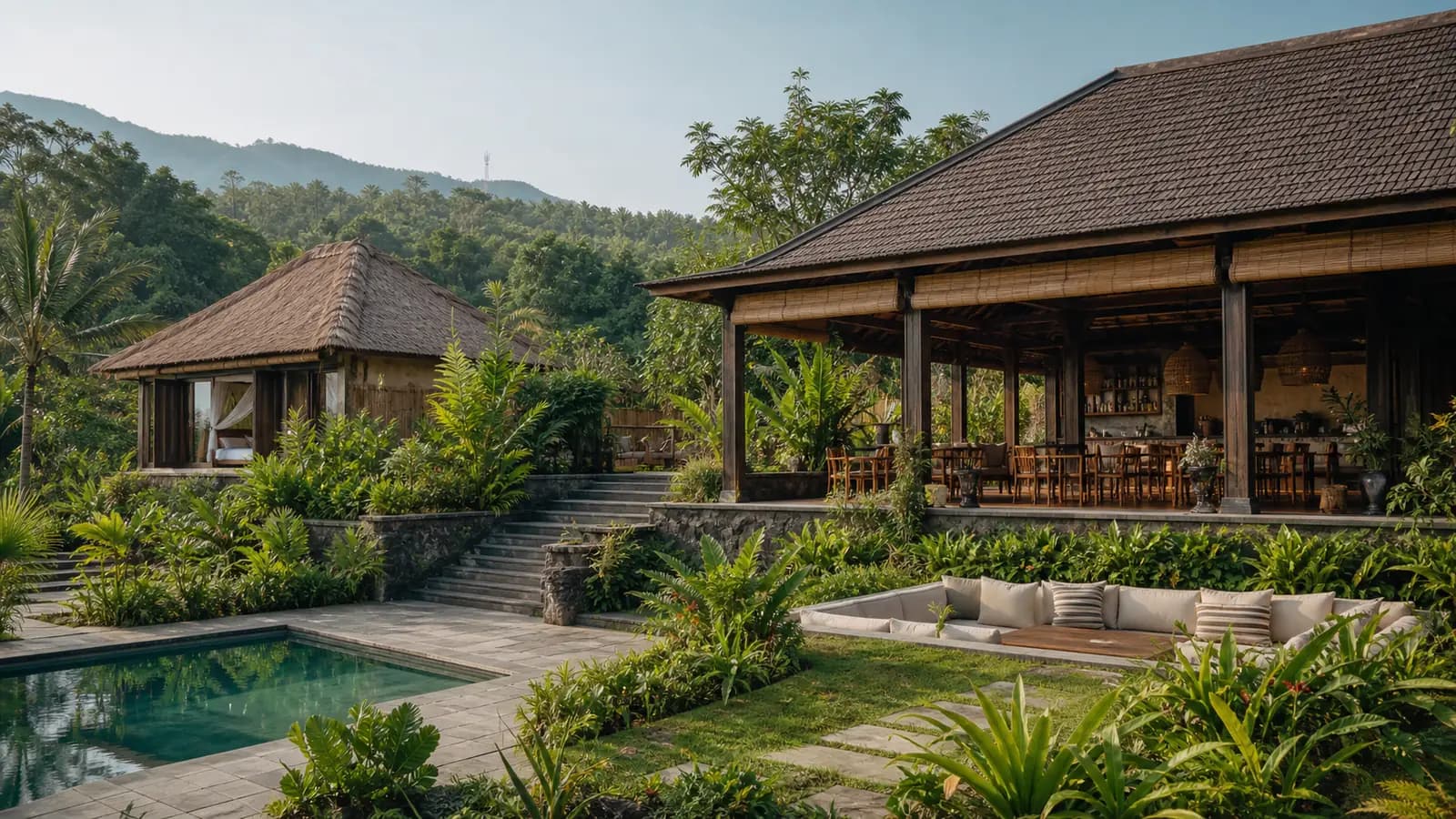
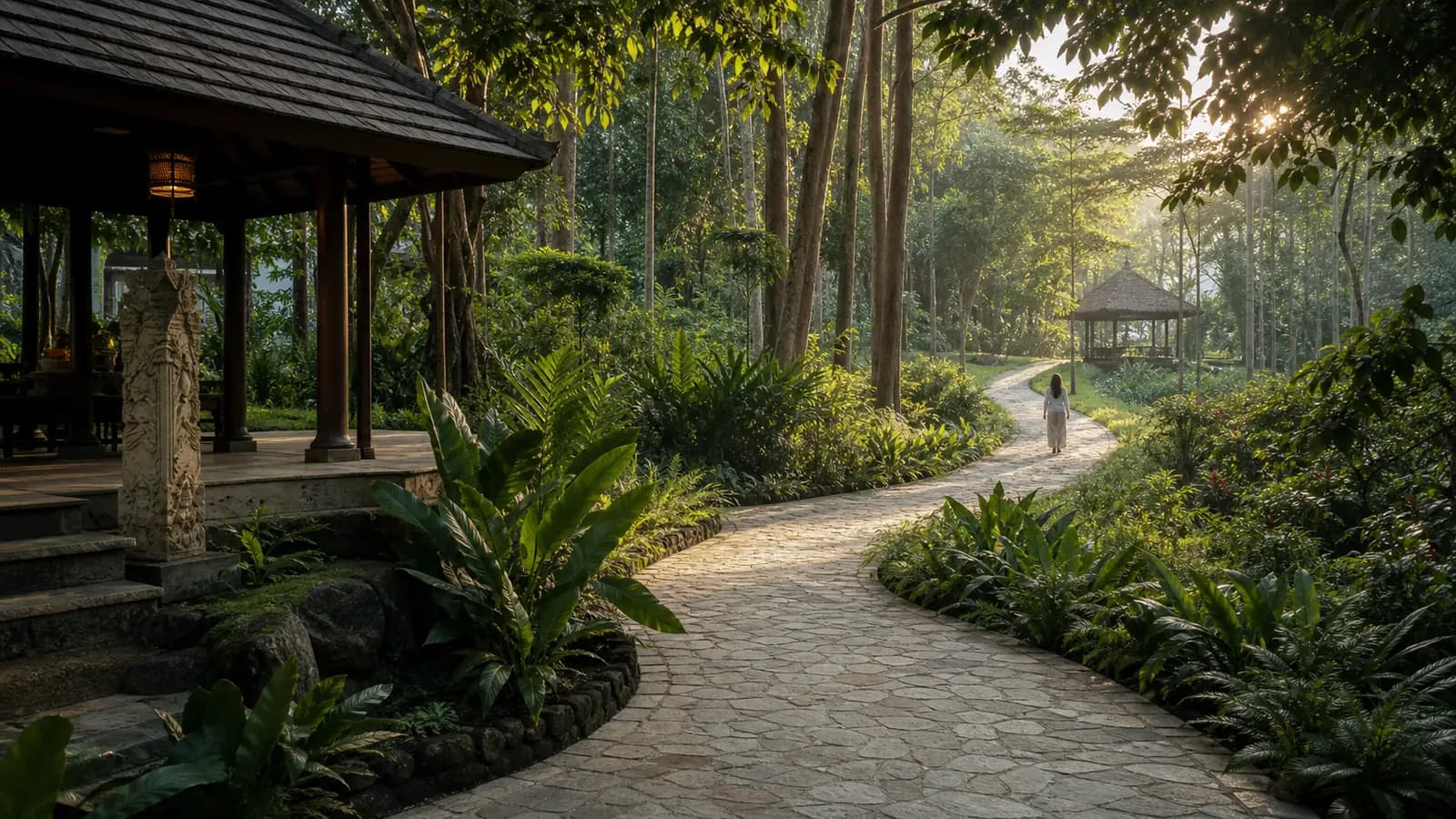
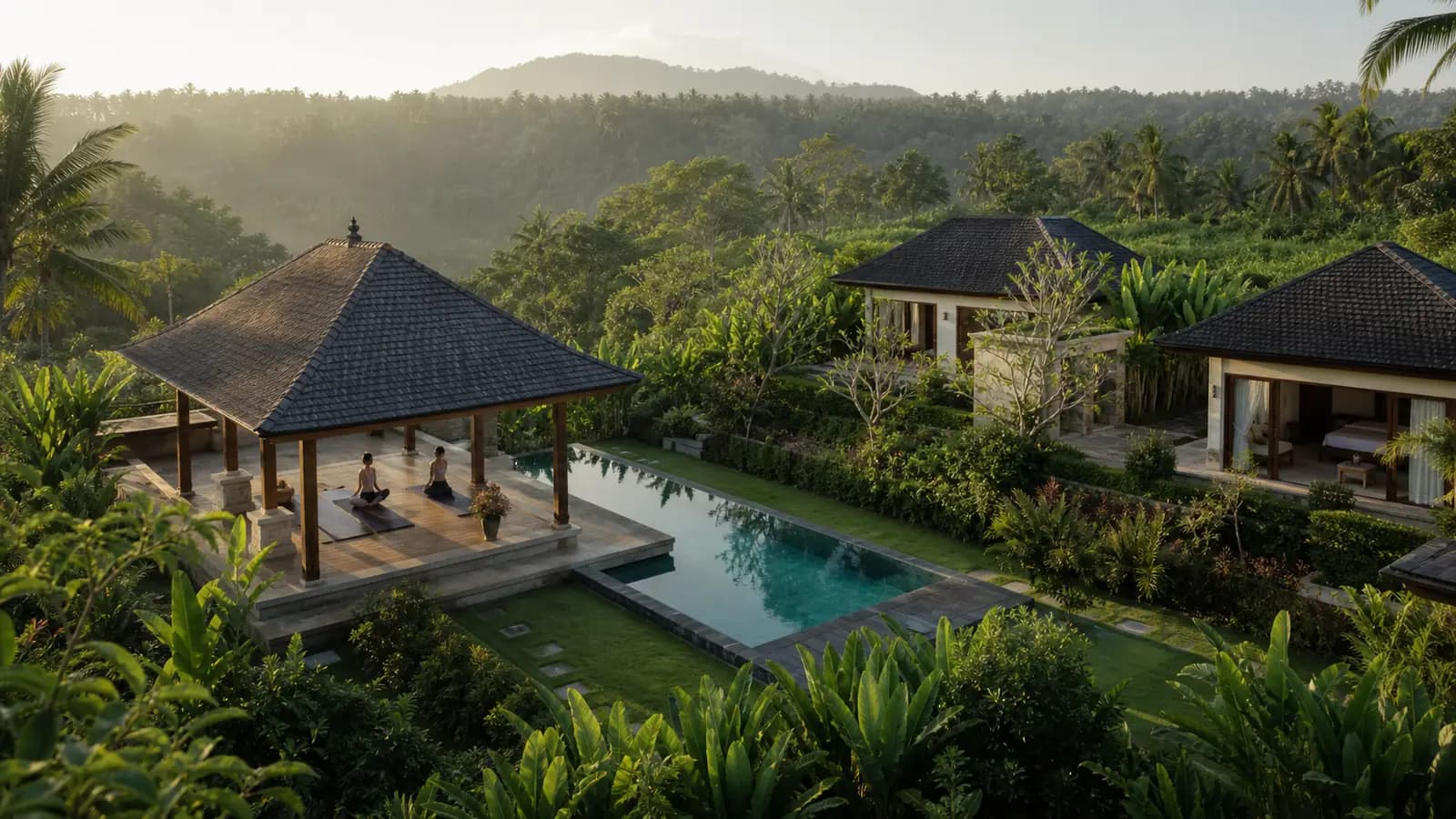
The YogaFX programme uses a private sanctuary designed for a contained six-day stay with accommodation, meals, practice spaces and scheduled activities in one environment. Its maximum intake is 20 guests.
This can suit travellers who want the retreat to be the centre of the trip. It requires more deliberate arrival planning than selecting a drop-in class near an existing southern Bali hotel.
Ask for exact meeting instructions after acceptance. Confirm road access, luggage guidance and mobility considerations. Read more about the North Bali retreat setting before comparing it with an open-ended holiday.
A Practical Comparison of the Three Areas
| Area | Venue questions | Activities outside the programme | Transport planning | May suit a trip where |
|---|---|---|---|---|
| Ubud | Central town or surrounding village? Walkable or vehicle-dependent? | Cultural sites, dining, shops and visitor services may be available depending on address | Confirm exact pickup, road conditions and time from your previous stay | You want retreat time alongside independent cultural activities |
| Canggu | Which neighbourhood? How close are the coast and services in practical terms? | Coastal, dining and social plans may be easier when the schedule permits | Allow for local traffic and confirm vehicle access | You want a retreat within a more active independent holiday |
| North Bali | Coastal, inland or higher ground? What does the property provide? | Independent options depend strongly on the precise venue and transport | Coordinate arrival because the region is separate from southern hubs | The structured retreat is the main purpose of your stay |
This table is not a ranking. Each region supports different properties and programme styles. Choose the actual venue that fits your itinerary, not the destination name with the strongest reputation.
Where YogaFX Retreats Fits into Your Plans
YogaFX is a six-day, five-night structured programme at a private North Bali sanctuary. Accommodation, chef-prepared meals, yoga and somatic movement, workshops, heat and hydrotherapy, cultural experiences, nature activities and concierge support share one schedule.
The venue includes an open-air yoga shala, purpose-built hot-yoga studio and shared spaces for rest. Single occupancy and twin share are offered, subject to availability and confirmed room arrangements.
This reduces the need to leave for everyday meals or create your own activity plan. It also means a guest should not assume there will be time for daily sightseeing.
Use the accommodation guide to explore YogaFX Retreats accommodation, then view the YogaFX Retreats programme before deciding whether the contained format suits you.
Can You Visit Ubud or Canggu Before or After Your Retreat?
Yes. A separate stay can add cultural, dining, coastal or social time without asking the retreat schedule to provide it. Book those nights independently and leave enough time to travel to or from North Bali.
Airport transfers are a confirmed YogaFX inclusion. Pickup from another hotel or transfer to a later Ubud or Canggu booking is not automatically included. Ask whether the route is feasible and whether it carries an additional charge.
If you stay elsewhere first, send the address, check-out time, luggage details and preferred arrival plan. Additional accommodation, meals and activities remain personal expenses. Check the transfer and package inclusions before completing reservations.
Questions to Ask About Any Retreat Location
- What is the exact venue or confirmed meeting point?
- Is the location in a town, village, coastal area or inland setting?
- What is a realistic transfer plan for my arrival time?
- Which airport or hotel pickups are included?
- Are shops, pharmacies or medical services accessible, and how?
- Do roads, steps, slopes or wet surfaces affect accessibility?
- How much unscheduled time is available for independent activities?
- Which excursions and transport are already included?
- Will I need an extra night before check-in or after check-out?
Ask for current answers instead of relying on old reviews or a destination guide. Access arrangements and programme logistics can change.
Explore North Bali with YogaFX Retreats
Ubud, Canggu and North Bali can each support a worthwhile retreat, but they create different travel contexts. YogaFX chooses North Bali for a contained sanctuary experience in which the programme, accommodation and core activities share one setting.
If a structured yoga retreat in North Bali fits your trip, discuss your travel plans with YogaFX Retreats and confirm the location, pickup and any additional transfer before booking.